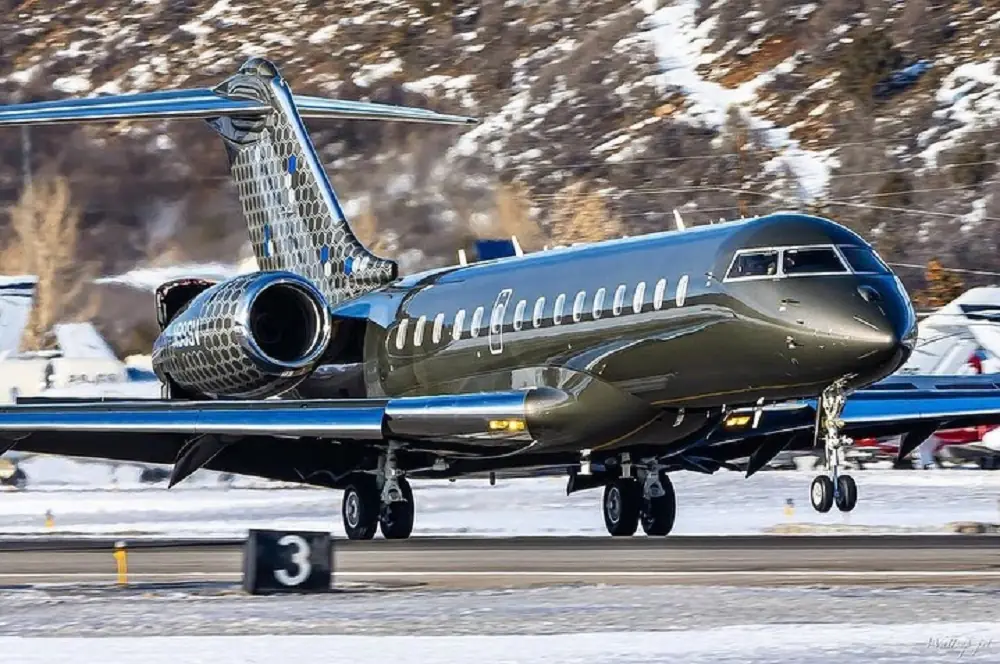
The idea of a private jet tax is gaining attention as countries look for innovative ways to combat climate change. Private jets, often associated with the ultra-wealthy, are notorious for their outsized carbon emissions. Taxing these high-polluting luxuries could generate much-needed funds for climate action while addressing stark inequalities in emissions responsibility.
The wealthiest 1% of the global population generates more emissions than the poorest two-thirds of humanity combined. This shocking disparity highlights the environmental consequences of extreme wealth, particularly luxury consumption. A study by Oxfam revealed that just 12 billionaires are responsible for emissions equivalent to 4.6 coal-fired power plants annually. Private jets release ten times more carbon per passenger than commercial flights, making them a significant contributor to this inequality.
A private jet tax is being hailed as a straightforward way to curb excessive emissions. In the UK alone, fair taxes on private jets and superyachts could have raised £2 billion last year to fund climate initiatives. Proposed policies include higher Air Passenger Duty rates for private jets, taxes on landing slots, and increased levies on jet fuel. In Scotland, adding private jets to the existing Air Departure Tax could fund public transportation projects, such as subsidized rail fares.
Implementing such taxes not only targets the wealthiest polluters but also sends a strong message about accountability. By making luxury emissions costly, governments can incentivize greener choices while raising funds for climate mitigation and adaptation efforts.
Public understanding of carbon footprint inequality significantly impacts support for climate policies. Recent research shows that many people underestimate the emissions of the wealthiest and overestimate those of the poorest. This misperception often results in less support for measures like carbon taxes targeting high-emission activities.
An international study revealed that when participants were informed about the true disparities in carbon footprints, their perception of fairness shifted. People in countries like Denmark and the United States found the inequality particularly unjust. Leading to increased support for policies targeting the emissions of the wealthy.
The conversation around private jet taxes is about more than emissions—it’s about addressing systemic inequality. Those with the highest carbon footprints often wield the greatest financial and political power, insulating them from lifestyle changes needed to reduce emissions. Meanwhile, the poorest, who contribute the least to global emissions, face the most severe climate-related consequences.
Taxing private jets and other luxury emissions could help balance this disparity. Revenue generated from these taxes could fund renewable energy projects, disaster relief programs, and infrastructure to protect vulnerable communities. It’s a way to ensure that those who contribute the most to climate change bear a fair share of the burden in combating it.
The financial benefits of taxing private jets are immense. In addition to addressing environmental concerns, these taxes could provide a steady revenue stream for climate-related initiatives. Countries like the UK and France, which have some of the highest private jet activity in Europe, are well-positioned to lead the way in implementing such measures.
Governments can generate billions of dollars annually by targeting luxury transportation. These funds can be directed toward clean energy, sustainable development, and climate resilience programs, creating a pathway to a more equitable and sustainable future.