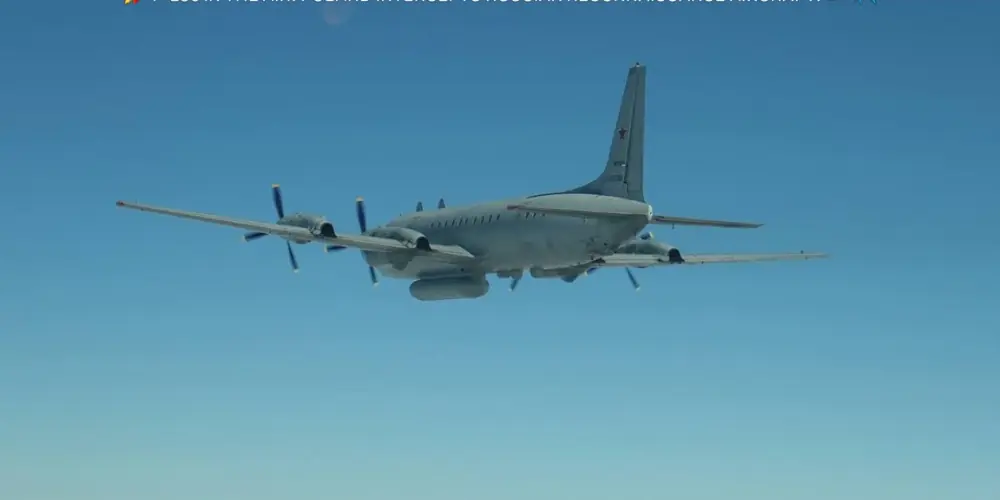
Tension in Eastern Europe continues to surface as military forces remain on constant alert. A recent incident over the Baltic Sea highlights how closely NATO members monitor activity near their borders. Poland’s rapid response underscores the alliance’s focus on maintaining control of its airspace while avoiding unnecessary escalation.
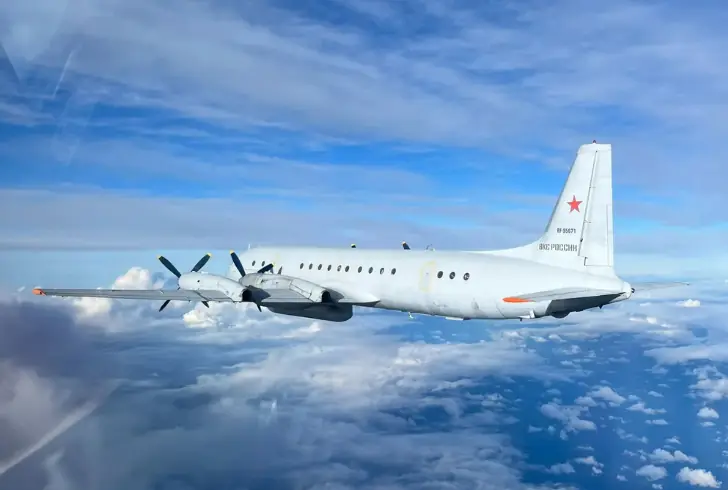
On Wednesday, Poland deployed two F-16 fighter jets after detecting a Russian Il-20 surveillance aircraft operating in international airspace.
According to Poland’s Operational Command, the aircraft was flying without a submitted flight plan and had its transponder turned off, making identification difficult.
The Polish jets carried out a standard interception procedure, successfully identifying the aircraft through visual confirmation. Officials clarified that the Russian plane did not enter Polish airspace during the mission.
Why This Incident Draws Attention
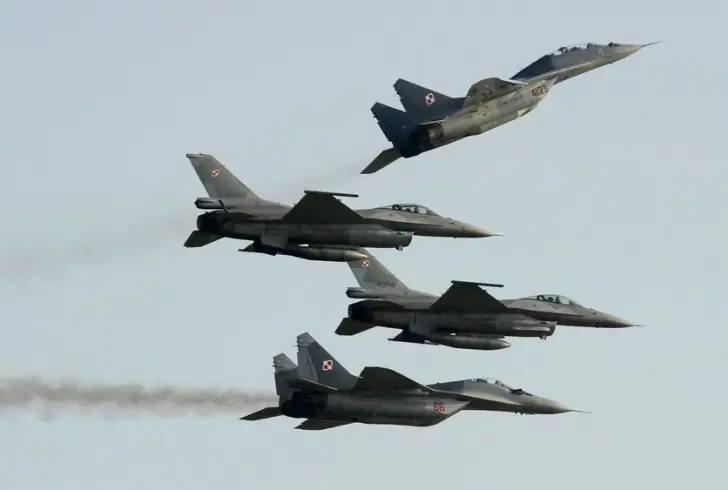
This event reflects ongoing friction along NATO’s eastern edge. Russian reconnaissance missions in the region are not uncommon, and NATO forces routinely respond to ensure transparency and safety in shared airspace.
Poland, positioned close to key areas of geopolitical tension, has faced repeated encounters involving Russian drones and military aircraft. These situations often require immediate action, especially when aircraft operate without proper communication or identification systems.
Under NATO’s founding treaty, member nations treat an attack on one as an attack on all. While this incident did not escalate to that level, it reinforces the importance of vigilance and coordinated defense strategies.
How Air Interceptions Work
Poland’s Operational Command explained that such interceptions are routine and serve a clear purpose. They are not intended as a show of force but as a practical measure to maintain airspace security.
Officials stated, “Interceptions of aircraft do not constitute a demonstration of force, but are one of the basic tools for ensuring real control over a state’s airspace.”
These operations allow military pilots to quickly assess unidentified aircraft, determine intent, and respond if necessary. Authorities added that the process helps “immediately determine the nature of the flight, assess potential threats, and—if necessary—take corrective actions.”
Such actions may include redirecting the aircraft or ensuring it complies with international aviation rules. This reduces the risk of accidents and protects both civilian flights and critical infrastructure.
Ongoing Security Measures in Poland
Poland has remained on high alert, especially during periods when Russia conducts missile or drone operations linked to the conflict in Ukraine. In response, NATO has strengthened its presence by rotating fighter jets to support Polish air defense.
This approach gained urgency after an incident in September, when around 20 Russian drones crossed into Polish territory. Since then, air patrols and readiness levels have increased significantly.
Poland’s Operational Command emphasized the commitment of its armed forces, stating on X: “Airspace security is one of the priorities of the Polish Armed Forces. Every day, pilots… remain on standby to ensure the protection of Polish skies.”
The interception over the Baltic Sea highlights the steady pace of military monitoring in sensitive regions. While no direct threat emerged, the situation shows how quickly NATO members respond to unusual activity.
Poland’s actions reflect a broader effort to maintain stability, enforce airspace rules, and prevent incidents before they escalate.