There is no doubt that private jets are the epitome of luxury and convenience. But there is a burning question: How fast can a private jet fly? Well, the speed of private jets is one of the key factors that attract business travelers and celebrities alike, offering not only exclusivity but also significant time savings. On average, the cruising speed of a private jet at a higher altitude is around 500-600 mph (434-521 knots.)
However, some jets can push the boundaries, reaching speeds of up to 700 mph (608 knots). Let’s explore what makes these private jets so fast and how they compare to commercial aircraft.
Private jets are often faster than commercial jets, especially when considering time spent both in the air and on the ground. While the cruising speed of a private jet typically ranges from 500 to 600 mph, commercial airliners generally cruise between 460 and 575 mph. This slight difference in speed can make a big difference over long distances. Private jets also save time by flying at higher altitudes where there is less air traffic, allowing for more direct routes.
However, the real speed advantage of private jets comes into play when you consider the entire travel experience. Unlike commercial flights, which require early arrival for check-in and security, private jets allow passengers to arrive just minutes before departure. This drastically reduces overall travel time.
Now that you know how fast can a private jet fly, you might wonder: What makes them so fast? The speed of a private jet depends on several factors, including the type and size of the aircraft. Smaller jets, like the Cessna Citation Mustang, are designed for shorter flights and have a cruising speed of around 340 mph.
On the other hand, larger jets like the Gulfstream G650 can reach speeds up to 610 mph. This makes them some of the fastest in the private jet category.
Another factor influencing speed is the altitude at which the jet is flying. Private jets typically cruise at altitudes between 35,000 and 45,000 feet, where the air is thinner, and resistance is lower. This allows them to maintain higher speeds with greater fuel efficiency.
Plus, wind conditions and air traffic can also play a role in determining how fast a private jet can fly. Pilots may choose to fly at higher or lower altitudes to take advantage of favorable winds, further optimizing their speed.
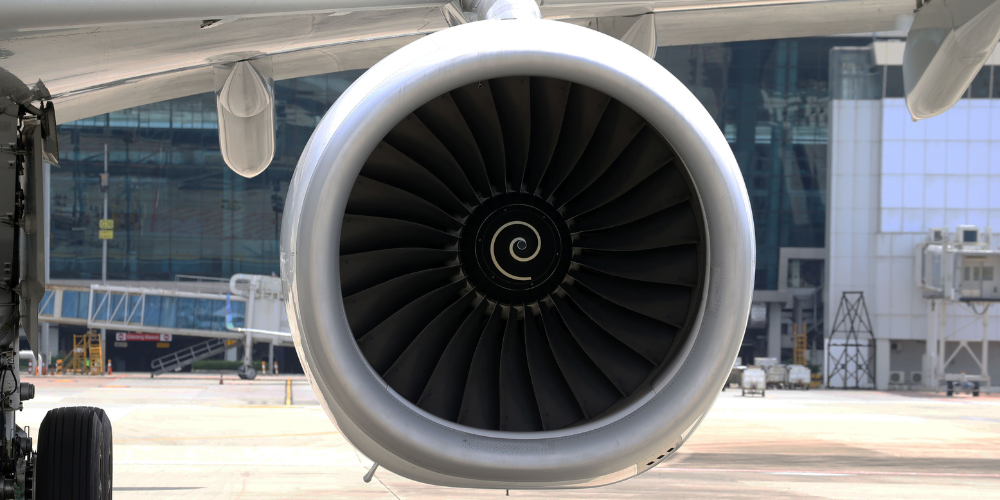
The impressive speeds of private jets are achieved through advanced engineering and powerful engines. Most private jets are equipped with turbojet or turbofan engines, which are designed for high-speed, high-altitude flight. These engines are more powerful and efficient than the engines found on commercial aircraft. This allows private jets to reach and maintain higher speeds.
The wings of private jets are often swept back at a steeper angle compared to commercial jets. Thus, this helps maintain stability at high speeds.
In terms of pure speed, some private jets are indeed faster than their commercial counterparts. For example, the Gulfstream G700’s top speed of 700 mph is faster than the cruising speed of most commercial jets, which ranges from 460 to 575 mph.
However, the real speed advantage comes from the flexibility and efficiency of private jet travel. Private jets can fly higher and more direct routes. Thus, avoiding the congested airspace that commercial jets must navigate.