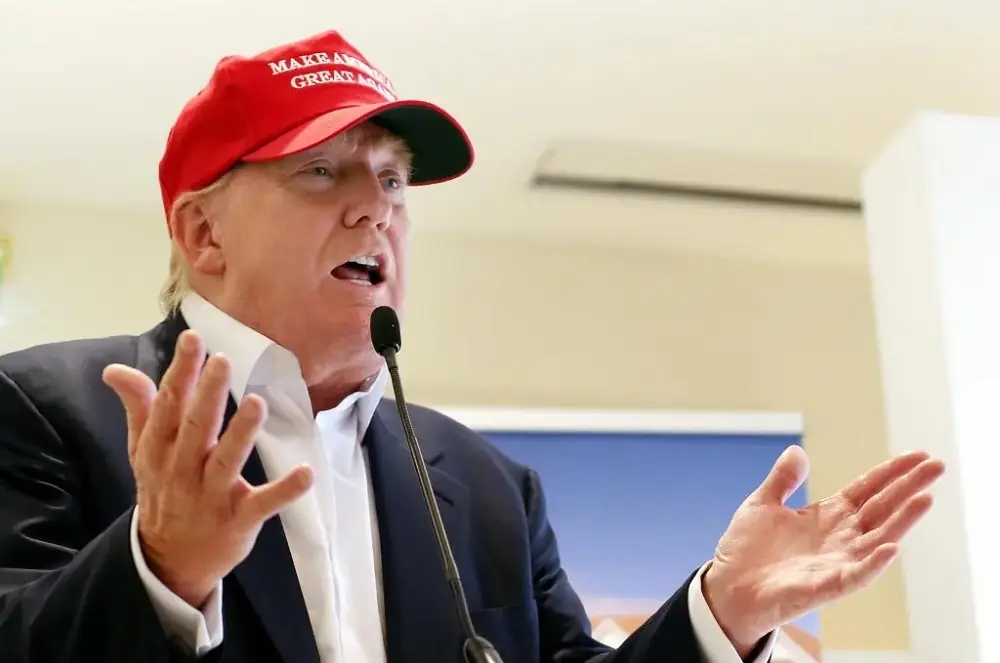
Donald Trump has openly criticized hydrogen cars, portraying them as a “disaster waiting to happen.” His criticism of hydrogen cars, which he claims could “explode like a bomb,” paints them as an unstable and risky alternative. These statements have garnered significant attention, especially as Trump positions himself as an advocate for electric vehicles (EVs), notably Tesla cars, instead of hydrogen-powered vehicles.
Trump’s portrayal of hydrogen cars as potential hazards leans heavily on the fear of explosions. He asserts that hydrogen-powered vehicles are prone to violent incidents, even suggesting that a hydrogen car explosion could render someone “unrecognizable.”
While explosive fears seem extreme, Trump emphasizes them to underscore what he perceives as hydrogen’s volatility. However, hydrogen-powered cars, such as those developed by Toyota and Hyundai, undergo rigorous safety testing and are designed to be as secure as traditional EVs.
It’s no secret that Trump has ties to Elon Musk, Tesla’s CEO, who is one of the most vocal critics of hydrogen as a viable energy source. Musk has long expressed skepticism about hydrogen technology, often promoting electric as the superior option.
Trump’s recent vocal stance aligns closely with Musk’s views, fueling speculation about whether Musk’s influence shapes Trump’s rhetoric. With Musk partially backing Trump’s political endeavors, this partnership could drive Trump’s advocacy for electric vehicles over hydrogen alternatives.
Hydrogen-powered cars have often faced misconceptions, partly due to limited information and a lack of public understanding. Trump’s characterization of these vehicles as explosive contributes to this narrative, stoking safety fears.
However, multiple fact-checks have debunked such claims, showing that hydrogen cars have no recorded history of explosions during regular use. These vehicles are equipped with safety measures, such as specialized tanks, which can withstand extreme conditions, ensuring they operate safely.
While Trump condemns hydrogen cars for their supposed dangers, he refrains from mentioning incidents involving EVs, specifically Tesla models. Over the years, Tesla vehicles have caught fire, often post-collision, but Trump sidesteps these issues.
This selective criticism raises questions about Trump’s impartiality. Tesla’s reputation is intertwined with Musk’s public persona, and by focusing solely on hydrogen’s alleged flaws, Trump appears to be defending Tesla’s status while denigrating alternatives.
Interestingly, rumors of a hydrogen-powered Tesla, dubbed the “Model H,” have circulated online, suggesting its arrival as early as 2026. Although these reports have no confirmation from Tesla or Musk, they intrigue the ongoing debate over hydrogen technology.
Musk’s public statements mostly involve hydrogen’s role in heavy industries, like steel and fertilizer production, rather than passenger vehicles. His latest vision, known as Master Plan 3, outlines such applications, but the company’s future in hydrogen-powered vehicles remains highly speculative.
Trump’s stance on hydrogen cars seems rooted in his vision of a clear energy winner, with electric vehicles taking the lead. His advocacy for electric cars, particularly Teslas, comes at a time when the automotive industry is diversifying energy sources. Yet, by openly dismissing hydrogen technology, he narrows the conversation on sustainable energy, potentially limiting public understanding of all options.