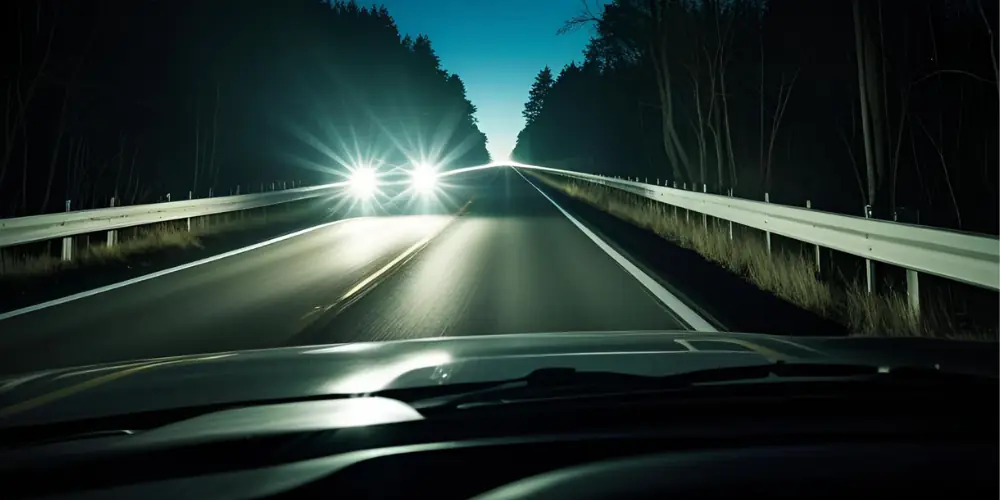
Bright headlights on modern vehicles have become a growing concern for drivers everywhere. The glare from LED and high-intensity headlights can be intense, leaving some drivers temporarily blinded or disoriented.
While it may be tempting to respond with high beams of your own, this can escalate the problem and create dangerous situations on the road. Understanding when and how to use high beams properly is key to driving safely at night.
Why Modern Headlights Can Be Blinding
Many newer vehicles come equipped with LED headlights. Unlike traditional halogen bulbs, LEDs produce a more concentrated beam and a harsher light that is harder for human eyes to adjust to.
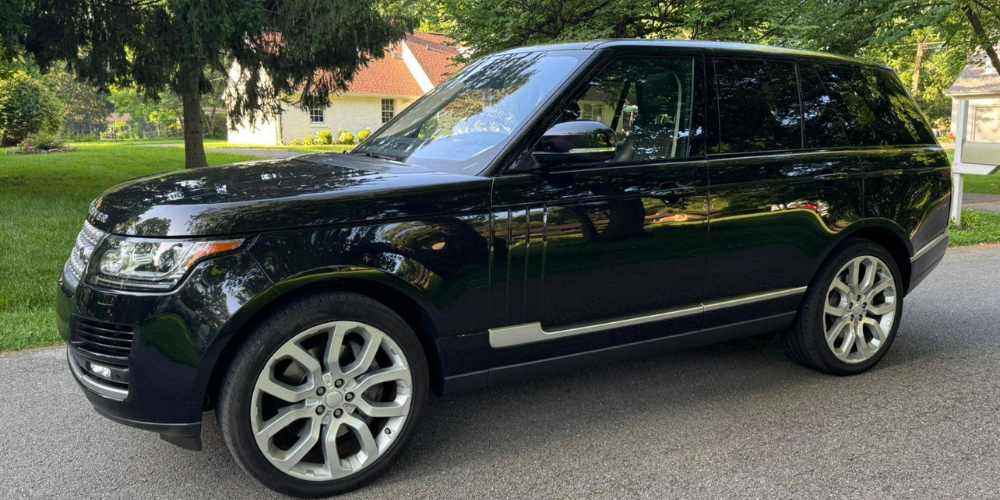
The design of modern cars also contributes to glare: taller vehicles naturally direct their headlights into the line of sight of smaller cars, and aftermarket modifications, like brighter bulbs in vehicles not designed for them, can intensify the problem.
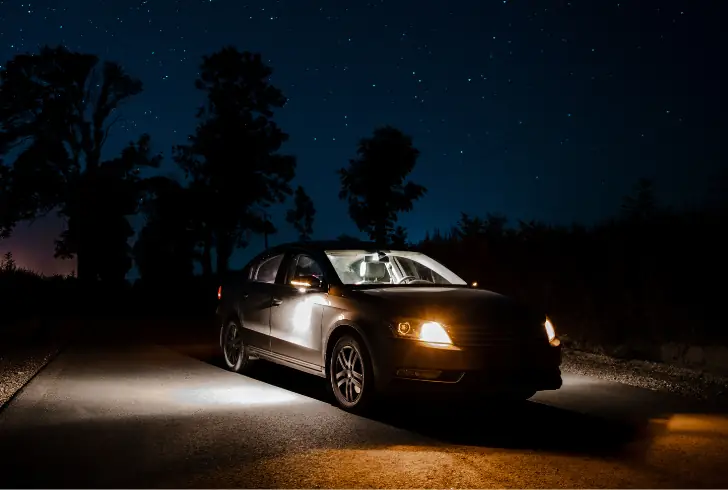
High beams, in particular, amplify this effect. They project light farther and higher than low beams, which can easily blind oncoming drivers if used improperly. Recognizing the difference between low beams and high beams—and using them responsibly—is essential.
When to Use High Beams
High beams are designed to improve visibility on roads with little to no ambient lighting. They illuminate farther distances than low beams and are ideal for:
1. Rural or poorly lit roads
2. Long stretches of highway without oncoming traffic
3. Areas where extra visibility is necessary to spot hazards early
However, high beams should be dimmed in these situations:
1. When another vehicle is approaching head-on
2. When following another car at close range
3. In urban areas with sufficient street lighting
Using high beams incorrectly not only blinds other drivers but also increases the risk of collisions. The safest approach is to rely on low beams whenever other vehicles are nearby.
How High Beams Work
Most cars use the same stalk as the turn signal to control high beams. Pushing the stalk away activates the high beams continuously, while pulling it toward you flashes the beams temporarily. A blue dashboard light shaped like a sideways jellyfish indicates that high beams are active, while low beams typically trigger a green symbol.
Awareness of this indicator is important. Drivers should regularly check their dashboard to ensure high beams are not accidentally left on.
Handling Oncoming Glare
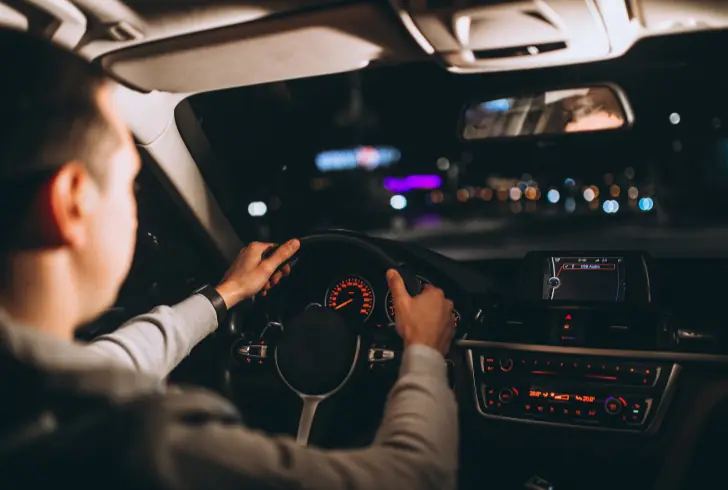
When another driver’s headlights are blindingly bright:
Guide your attention toward the right edge of your lane, using side vision to follow the road.
Avoid staring into the lights, as doing so diminishes night vision.
Angle your mirrors to reduce glare caused by trailing vehicles.
These techniques make driving at night easier and safer.
Responsible Nighttime Driving
High beams can greatly extend visibility, but poor use of them often creates more risk than benefit. Safe nighttime driving means balancing your own visibility with respect for others on the road.
By handling beams correctly, watching for dashboard signals, and adjusting lights when other vehicles approach, drivers contribute to safer, more comfortable travel after dark.