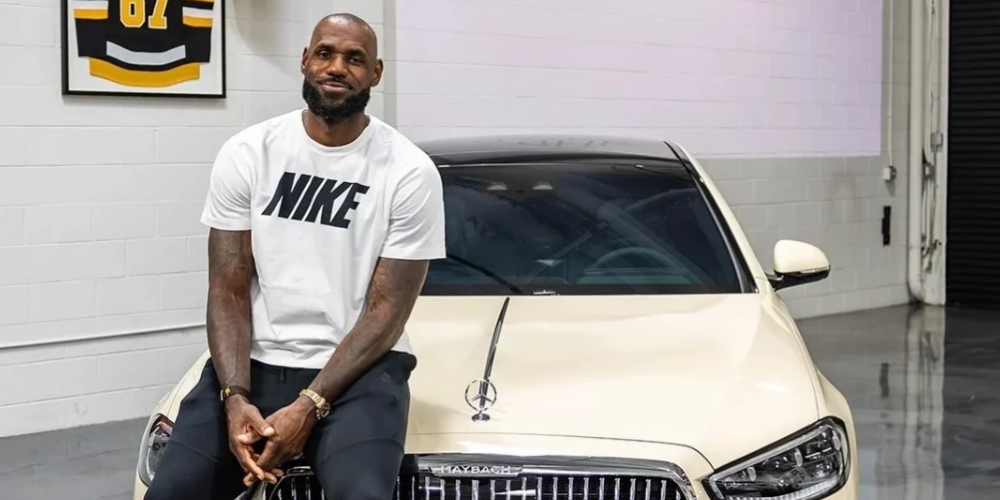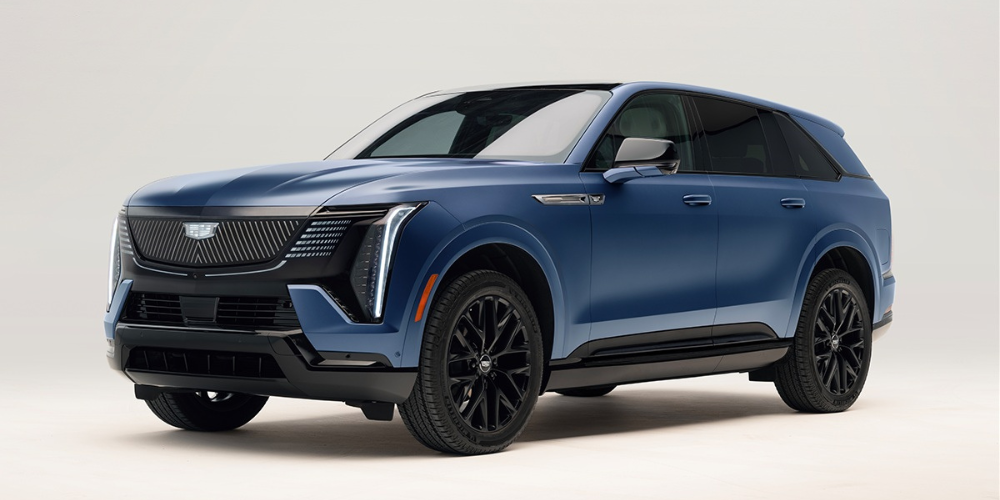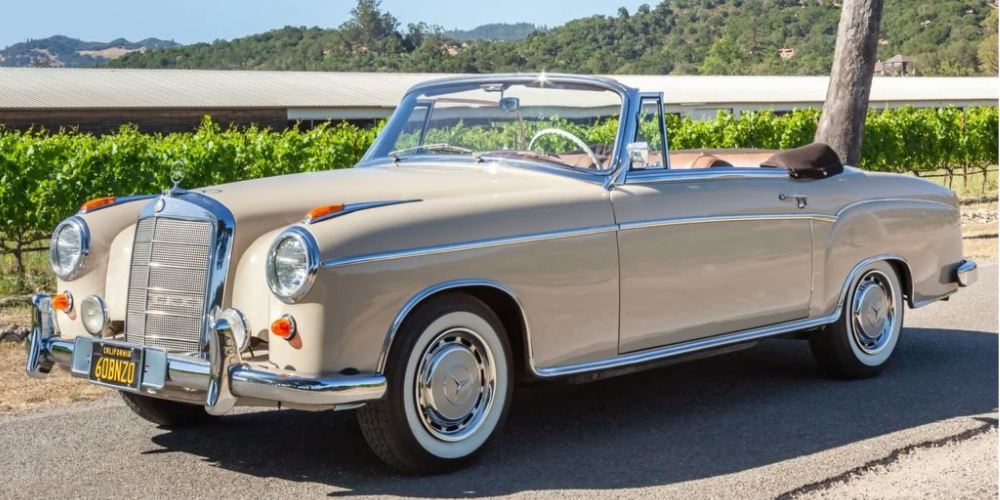
Luxury car sales are facing a slowdown as consumers increasingly turn to budget-friendly options. For years, high-end vehicles dominated the market, but recent data from CarGurus reveals a change in buyer behavior.
Over the past nine months, sales of cars priced above $100,000 have dropped by nearly 46% compared to last year. While vehicles in the $80,000 to $100,000 range saw slight growth, with increases of only 1.3% and 4.2%, it’s clear that the demand for luxury is waning.
At the same time, sales of more affordable vehicles are surging. Cars priced between $20,000 and $30,000 saw a sales increase of almost 44%. Nearly all vehicle price ranges under $60,000 experienced double-digit growth, except for the $0 to $20,000 category. This shift shows that consumers are prioritizing value over luxury, likely influenced by economic factors such as high interest rates and inflation.
The trend extends into the used car market. Sales of used vehicles priced between $15,000 and $20,000 grew by an impressive 62.6% year-over-year. In contrast, sales of used cars priced above $30,000 have significantly declined. Vehicles in the $40,000 to $50,000 range experienced a steep drop of 30.5%.
Even ultra-high-end used models over $100,000 saw a modest decrease of 1.4%. These numbers suggest that buyers are becoming more budget-conscious when shopping for both new and used cars.
According to Kevin Roberts, Director of Economic and Market Intelligence at CarGurus, the shift is a response to economic pressures. He stated, “Consumers are speaking loudly with their wallets.” After years of post-pandemic spending, buyers are now exercising more caution. With the Federal Reserve’s recent interest rate cuts providing limited relief, vehicle prices remain elevated. As a result, many consumers are rethinking their priorities and opting for affordable options over luxury purchases.
While the U.S. economy remains relatively strong, high vehicle costs continue to impact affordability. Kelly Blue Book reported that the average vehicle price in August reached $47,870. Despite lower interest rates, these prices still strain many buyers’ budgets. New cars priced between $30,000 and $50,000 saw sales increases of 33% and 20%, respectively, driven in part by the limited availability of lower-priced models.
Options under $20,000 are scarce, but models like the Mitsubishi Mirage and Nissan Versa are performing well in 2024, as reported by Motor1. These models attract buyers seeking basic, reliable transportation without the hefty price tag associated with luxury brands.
Vehicle affordability is now a growing concern among American buyers. Morgan Stanley analyst Adam Jonas recently highlighted that average monthly car payments have reached $700. MarketWatch suggests that car payments exceeding $675 per month may not be sustainable unless an individual earns at least $6,000 monthly after taxes. For many, these financial constraints are pushing luxury cars out of reach and making budget-friendly options more attractive.
As economic uncertainty continues, the trend toward budget-friendly vehicles is expected to persist. Luxury car sales will likely remain under pressure as consumers prioritize affordability over high-end features. With interest rates still impacting buyer decisions and vehicle prices showing little sign of dropping, it seems that the demand for economical and practical cars will continue to grow. As 2024 progresses, more consumers may turn their backs on luxury in favor of financially sustainable choices.
This shift reflects a broader change in consumer preferences, where practicality and value now hold more weight than ever before. For both new and used car markets, the demand for affordable vehicles is reshaping the automotive landscape.