It’s no secret that buying a car in 2025 has gotten trickier. With the U.S. shifting its stance on automotive tariffs, some vehicles are holding their ground, while others are about to get a whole lot pricier. If you’re in the market for a new ride — or even just thinking about it — understanding how these changes could affect car prices is more important than ever.
So, which cars are staying safe from the tariff wave, and which ones are about to cost more? Here’s a closer look at the vehicles topping both lists, based on data from Motor1 and insights from industry insiders.
Cars Least Affected by Tariffs
If you’re trying to avoid the extra costs tied to international parts and assembly, these cars are a safer bet. They’re built mostly in the U.S., with the majority of their components sourced domestically.
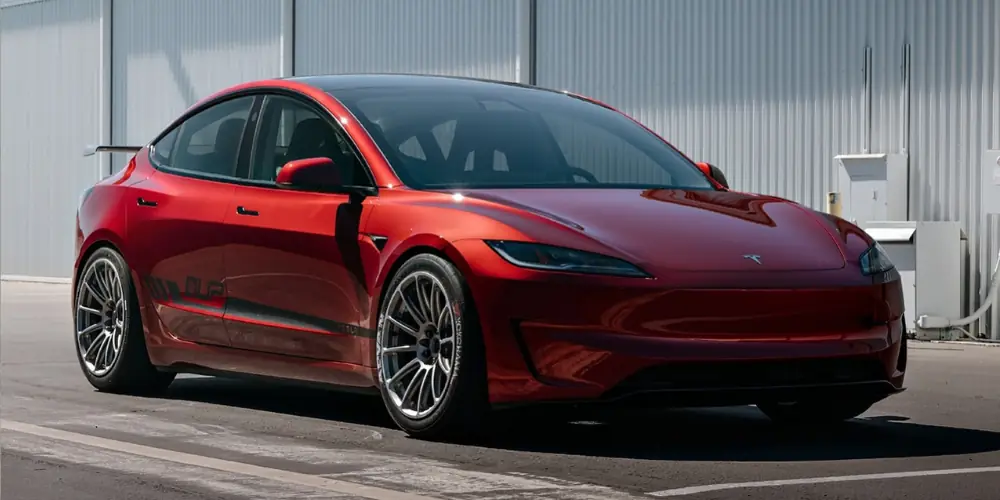
1. Tesla Lineup Dominates the “Safe” Category
Tesla’s strong domestic manufacturing game is working in its favor this year. According to Motor1’s rankings:
1. Model 3 Performance – 87.5% built in the U.S.
2. Model Y – 85% domestic content
3. Cybertruck – 82.5%
4. Model S and Model X – both sit at 80%
Usha Haley, a professor at Wichita State University who studies global supply chains, points out, “As long as a car meets the US-Mexico-Canada Agreement thresholds — about 85% domestic parts — it’s largely protected from these tariffs for now.”
2. Ford Mustang GT AT
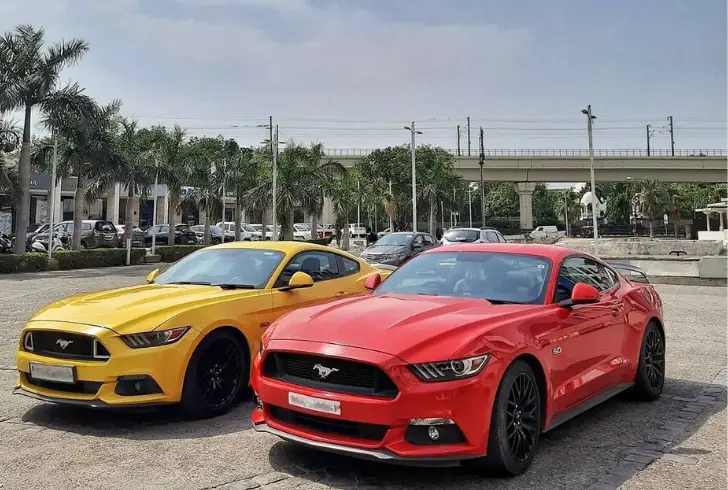
Coming in with 80% domestic content, the Ford Mustang GT Automatic also ranks high for its tariff immunity. It’s a solid pick if you want performance and affordability without the added tariff burden.
3. Jeep Wrangler Rubicon
At 76% domestic content, the Wrangler Rubicon is another solid option. Rugged and reliable, it holds up well under the current trade conditions.
4. Honda Passport AWD (2024)
This SUV is made up of 76.5% U.S.-sourced parts. Not bad for a Japanese brand. Honda’s U.S. manufacturing presence is helping keep prices relatively stable.
5. Volkswagen ID.4 AWD
Although a German brand, the ID.4 AWD’s 75.5% domestic makeup puts it in the safer category, at least for now.
Cars Most Exposed to Tariffs
If you’re looking at any of the vehicles below, be prepared for a possible case of sticker shock. These cars have minimal U.S. parts and are likely to see price jumps.
1. Mazda Miata
With just 1% of its content sourced domestically, the Miata might end up costing a lot more in the coming months. Fans of this roadster may want to act fast before prices climb.
2. Hyundai Elantra
Another budget favorite that’s under pressure, the Elantra also has only 1% domestic content. It’s likely to be among the hardest hit if tariffs remain in place.
3. BMW M3 Sedan
Luxury buyers, take note: The BMW M3 also clocks in at just 1% U.S.-sourced content. Expect prices to reflect that sooner rather than later.
4. Subaru BRZ
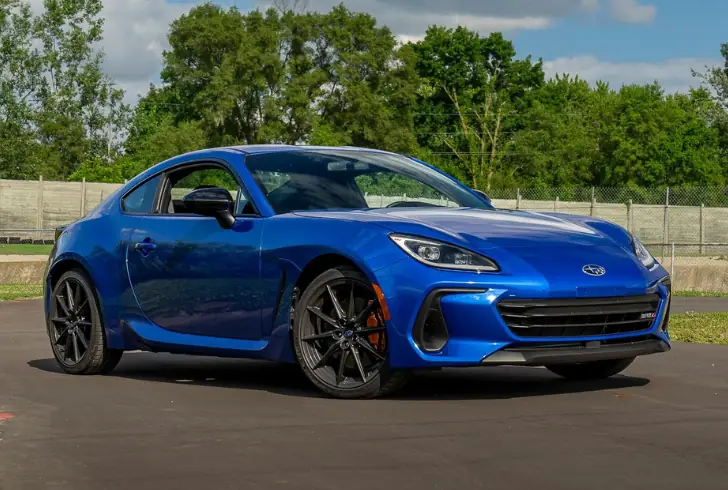
Like the Miata, the BRZ is a lightweight, sporty option with little domestic production — again, just 1%. And like the others in this category, its price tag could balloon under prolonged tariffs.
5. Other Imports
Any vehicle heavily reliant on foreign-made parts or foreign assembly is at risk. The auto market is adjusting quickly, and some brands just aren’t set up to shift production fast enough.
What the Experts Are Saying
Kevin Roberts from CarGurus notes, “While there’s been some relief, average new car prices jumped around $650 within a month of the tariff announcements. Used cars? They’re up about $150.”
George Faracchio, a longtime industry expert at AutoLenders, adds, “If tariffs stay in place through summer, we’ll likely see steady price increases as inventories shrink. The real pressure hits when supply tightens and dealers can’t keep up.”
John Lash, an executive at e2open, offers a consumer-focused view: “People know cars are big purchases. If they think their car won’t last another year, they’d rather buy now than pay thousands more later.”
What’s Next for Car Buyers?
Even if the tariffs are short-term, their effects won’t be. Automakers can’t just move supply chains overnight — it takes years and serious investment. As Liz Hempel from McKinsey explains, “Relocating auto production isn’t just a financial challenge. It’s also about moving decades of experience and infrastructure. And tariffs only make that harder.”
If you’re shopping for a car, knowing how tariffs impact prices can help you make smarter choices — whether that means going domestic, shopping used, or buying sooner rather than later.